Practical Steps to Keep Your Air Conditioner Running Efficiently

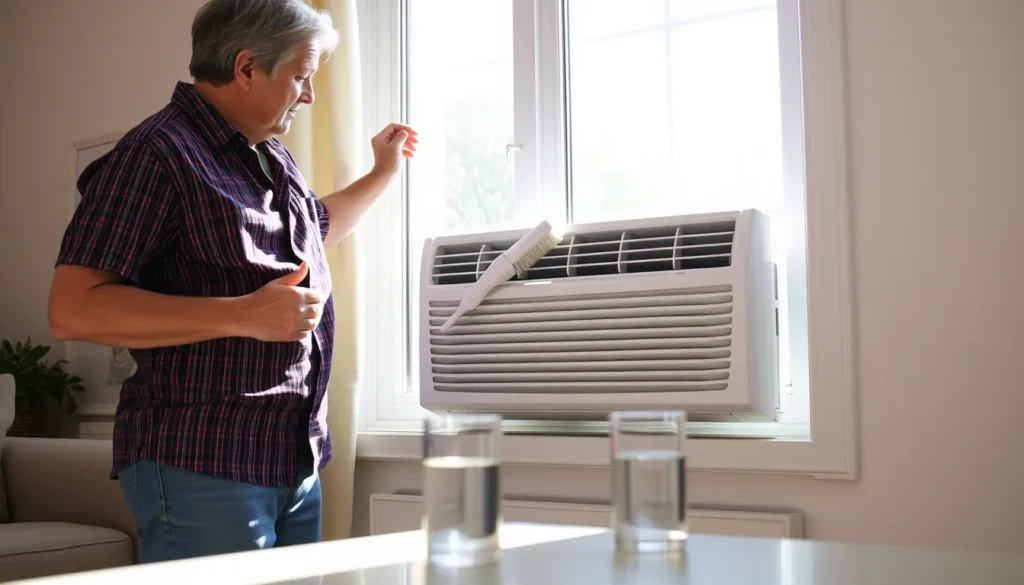
If you want to learn how to maintain an air conditioner for better efficiency without spending unnecessary money, this guide is for you. It breaks down routine tasks you can handle yourself, such as cleaning filters and coils, from first principles. You will learn exactly which steps save energy and which require a technician.
The focus is on actionable, low-cost maintenance that extends your system's life. By understanding the difference between routine cleaning and deep service, you can keep your unit running smoothly. This approach helps you lower energy bills while avoiding the expense of calling in a pro for simple fixes.
The Impact of Clean Components on Energy Use
At its core, your air conditioning system relies on unrestricted airflow to move heat from inside your home to the outside. When components like the evaporator coil or condenser coil accumulate dust, dirt, and debris, that airflow becomes restricted. This physical blockage forces the compressor to work harder to achieve the same cooling effect. The result is increased electricity consumption, as the unit runs longer cycles to meet the thermostat’s set point.
This efficiency loss is rarely sudden. Instead, it is a gradual decline that happens over weeks and months. You might notice slightly warmer rooms or a slight uptick in your utility bill, but the system is still technically functioning. Because the degradation is slow, it is easy to overlook until the strain causes a major component failure. Regular maintenance interrupts this cycle by keeping the coils clean and the airflow open. This simple consistency prevents the compressor from overheating and reduces the risk of expensive emergency repairs.
Think of it like a car engine. A clogged air filter doesn’t stop the car from moving, but it makes the engine labor unnecessarily. Similarly, a dirty air filter or blocked condenser coil makes your HVAC system inefficient. By keeping these parts clean, you ensure the unit operates at its designed capacity. This approach saves on energy costs and extends the lifespan of the equipment. It is a proactive strategy that protects your investment and keeps your home comfortable without the surprise of a high repair bill.
Managing the Air Filter: Frequency and Technique
A clogged air filter is the most common cause of reduced cooling efficiency. When dust and debris accumulate, the system must work harder to pull air through the restricted space. This strain increases energy consumption and can lead to frozen evaporator coils. To check your filter, locate the return air grille and remove the panel. Visually inspect the media. If you cannot see through the filter to the light behind it, or if the surface is covered in a visible layer of gray dust, it is time for a replacement. Do not wait for the air to feel warm or the unit to struggle; proactive maintenance prevents these issues before they start.
Replacement frequency depends on the filter type and your household conditions. Standard fiberglass filters, which are inexpensive and basic, typically need replacing every thirty days. Pleated filters offer finer filtration and last longer, but household factors significantly impact their lifespan. Homes with pets, especially those that shed heavily, or residents dealing with severe allergies may need to replace pleated filters every sixty to ninety days instead of the standard interval. If you have a high-efficiency air filter, check the manufacturer’s guidelines, as these often require specific care to avoid damaging the delicate media.
Correct installation is critical for proper airflow. Always look for the arrow printed on the filter frame. This arrow must point toward the blower fan, not away from it. Installing the filter backward restricts airflow even if the media is clean. Ensure the filter fits snugly within the slot to prevent unfiltered air from bypassing the media. By maintaining the correct airflow direction and schedule, you ensure the condenser coil and other components operate without unnecessary stress, keeping your energy bills lower and your home comfortable.
Cleaning the Outdoor Condenser Unit Safely
Start by locating the circuit breaker for your outdoor unit and switching it off. This critical safety step prevents electric shock and stops the fan from spinning unexpectedly while you work. Once power is cut, inspect the area surrounding the condenser unit. Clear away leaves, grass clippings, and other debris that have accumulated within two feet of the equipment. This clearance allows proper air intake, preventing the system from working harder to circulate air through a blocked zone.
Next, address the condenser coil itself. Use a standard garden hose with a nozzle set to a gentle spray. Hold the hose at least two feet away from the unit and rinse the fins with low pressure. Water should flow outward from the center of the coil toward the edges. Avoid using a pressure washer or high-pressure stream, as these tools can permanently bend the thin aluminum fins. Bent fins restrict airflow and reduce the unit’s ability to release heat, forcing the compressor to run longer and consume more energy.
If you notice bent fins, do not attempt to straighten them yourself unless you have the proper tools. Improper handling can worsen the damage. Instead, note the issue for a professional technician. After rinsing, allow the unit to dry completely before restoring power. Wipe down any standing water on the base pan to prevent corrosion. Regularly inspect the fan blades for dust buildup and clean them with a damp cloth if necessary. This routine ensures the condenser unit operates efficiently, maintaining optimal performance and extending the lifespan of your cooling system.
Optimizing Indoor Airflow and Thermostat Settings
Clearing Obstructions for Better Circulation
Indoor airflow is often compromised by simple, overlooked obstacles. Furniture, heavy drapes, or large rugs placed directly over supply vents force the system to work harder to distribute cool air. This restriction reduces the efficiency of the Evaporator coil and can cause uneven cooling throughout the home. Regularly check every room to ensure vents and registers are fully exposed. Moving a sofa or lifting a curtain may seem minor, but it significantly improves air circulation and allows the unit to reach the desired temperature faster.
Sealing Duct Leaks
If your home has accessible ductwork, such as in an unfinished attic or crawlspace, inspect the connections for gaps or splits. Air leaking from the ducts escapes before reaching your living spaces, wasting energy and forcing the system to run longer. Applying mastic sealant or aluminum foil tape to visible leaks can help maintain consistent pressure and ensure that the cool air you pay for actually enters your rooms. This simple fix helps the system operate more smoothly without straining the Refrigerant cycle unnecessarily.
Smart Thermostat Habits
Setting the Thermostat to an extremely low temperature does not cool your home faster; it only causes the unit to run for extended periods, increasing wear on the components. Instead, maintain a consistent, moderate temperature. This steady approach reduces cycling stress, which occurs when the system frequently turns on and off. By avoiding drastic temperature swings, you help the air conditioner operate within its optimal efficiency range, lowering energy bills and extending the life of the equipment.
When to Call a Professional for Deep Maintenance
While routine cleaning handles surface dust and basic airflow issues, internal components require specialized tools and expertise. Attempting to service these areas yourself can void warranties, cause safety hazards, or lead to costly repairs. A certified technician performs deep maintenance to ensure the system operates within safe parameters and prevents major failures.
One critical task is checking refrigerant levels. Low refrigerant indicates a leak, which reduces cooling capacity and strains the compressor. Only licensed professionals can accurately measure pressure and recharge the system. Similarly, inspecting electrical connections is essential. Loose terminals or corroded wires can cause short circuits or fire risks. Technicians tighten connections and verify voltage stability to protect both the unit and your home.
Cleaning the evaporator coil also falls under professional service if you cannot safely access it. This indoor coil absorbs heat from your home air; when clogged with mold or debris, efficiency drops sharply. Professional cleaning uses specific solutions that dissolve grime without damaging delicate fins. Additionally, lubricating moving parts, such as motor bearings and fan blades, reduces friction and noise. Dry bearings generate excess heat, leading to premature motor failure. Regular lubrication extends component life and maintains quiet operation.
These interventions are not just about immediate comfort but long-term reliability. They address underlying issues before they escalate into serious mechanical breakdowns. By scheduling annual professional inspections, you identify small problems early, ensuring your air conditioner runs efficiently and safely for years.
